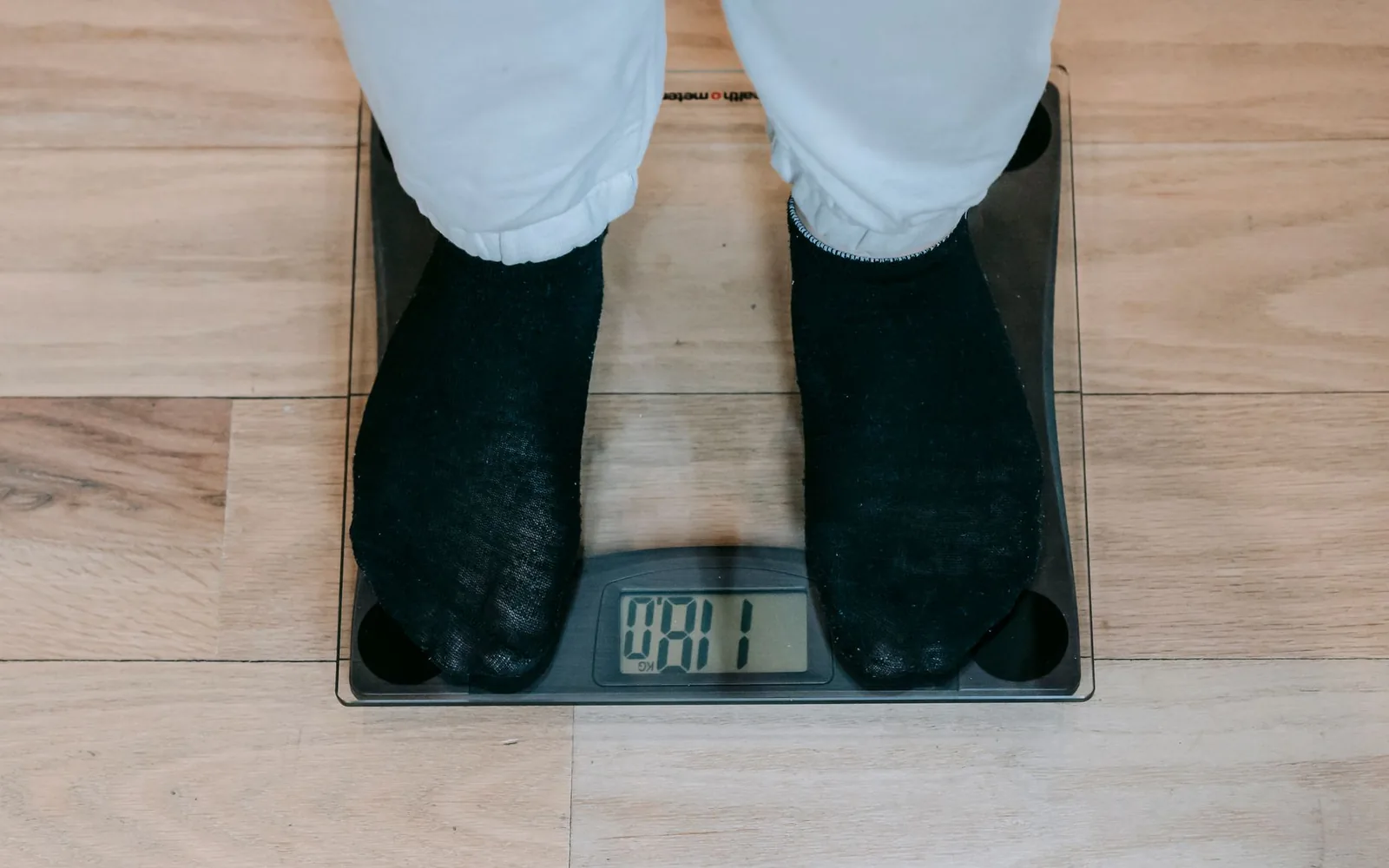
Can Psychiatric Medication Cause Weight Gain?
Quick answer: yes, for some people and some medications. Weight change is a common side effect across several classes of psychiatric medicine, and it can happen through increased appetite, cravings, changes in metabolism, lower energy, or improved appetite as depression lifts. Not everyone gains weight, and the amount varies widely. A 2019 systematic review found that most studies reported modest average gains with antidepressants, larger gains with several antipsychotics, and weight loss with bupropion.
- More likely: some antipsychotics and certain mood stabilizers
- Possible: some antidepressants, often over longer use
- Less likely: a few options that tend to be weight neutral
Why Does Psychiatric Medication Weight Gain Happen?
Psychiatric medication weight gain can happen for several reasons, and often more than one is at work. Some medications affect brain signals that control hunger and fullness, so you may feel hungrier or crave sweets and carbohydrates. Others can slow metabolism or change how your body handles blood sugar and fat. Sedating medicines may lower your energy and activity. For some people, gaining weight reflects recovery: when depression lifts, appetite and enjoyment of food can return. Knowing which reason applies to you helps your provider choose the right response. Sleep, stress, alcohol, and other medicines you take can add to the picture as well.
What Psych Drugs Cause Weight Gain?
Research points to some medications more than others. In the 2019 review, several antipsychotics, including olanzapine, clozapine, quetiapine, and risperidone, were associated with clinically significant weight gain. MedlinePlus lists increased appetite and weight among the side effects of mirtazapine, an antidepressant. Some mood stabilizers are also known to affect weight. This does not mean these medications are wrong for you. For many people, the benefits are significant, and your provider weighs them against side effects. For a wider look, see our guide to psychiatric medication side effects.
Which Antidepressants Cause the Most Weight Gain?
Mirtazapine is one of the antidepressants most often linked to increased appetite and weight. Some SSRIs, such as paroxetine, and older tricyclic antidepressants are also associated with weight gain in some people, particularly with long-term use. Bupropion has been associated with weight loss rather than gain. Responses vary, and your history, other medications, and health conditions all matter. Never switch or stop an antidepressant on your own. Stopping suddenly can cause discontinuation symptoms such as dizziness, nausea, irritability, and sleep problems, and switching should be planned with your prescribing provider. Learn more in our guide to switching antidepressants safely.
Can You Prevent Weight Gain on Antidepressants?
You may not be able to prevent every change, but you can lower the impact. The most helpful step is to talk about weight before starting a medication, so your provider knows your goals and can track changes from the start. Early action matters, because psychiatric medication weight gain is usually easier to address when it is caught in the first months rather than after a large change.
- Record your weight before starting and check it regularly
- Notice appetite or craving changes early and mention them
- Keep regular meals, protein, fiber, and water in your routine
- Stay active in ways you enjoy, even short daily walks
- Protect sleep, which affects appetite hormones
Nutrition and exercise changes work well alongside medication, and counseling can help with stress eating or emotional eating patterns. Try to focus on habits you can keep rather than strict diets, which are hard to maintain during treatment. If questions come up, check your medication guide, ask your pharmacist, or contact your prescribing provider.
What Can Your Provider Do About Medication-Related Weight Gain?
Your provider has several options and will tailor them to you. For certain medications, especially second-generation antipsychotics, professional guidelines recommend tracking weight, waist size, blood pressure, blood sugar, and cholesterol over time. Based on what they find, your provider may suggest lifestyle support, a dose review, a different medication, or coordination with your primary care provider for metabolic care. A scheduled follow-up is a good time to raise these concerns. The goal is a plan that protects both your mental and physical health.
When Should You Call Your Provider About Weight Changes?
Call your prescribing provider if you notice quick or steady weight gain, a big change in appetite, or new physical symptoms after starting or changing a medication. Do not stop taking your medication because of weight concerns without talking to your provider first. Weight changes can also come from thyroid problems, other medicines, or life changes, so your provider may suggest a check-in with your primary care provider.
- Rapid weight gain over a few weeks
- Extreme thirst, frequent urination, or blurred vision (possible blood sugar changes)
- Swelling in the legs or shortness of breath
- Low mood or anxiety about your body that affects daily life
Young adults under 25 taking antidepressants should also know about the FDA boxed warning on suicidal thoughts early in treatment. If you are in crisis or thinking about suicide, call or text 988 to reach the Suicide & Crisis Lifeline, or call 911 or go to the nearest emergency room. Kinetic Psychiatry is not an emergency service.
Getting Help With Medication Side Effects in Orlando, FL
Kinetic Psychiatry offers medication management for adults through telehealth anywhere in Florida and in person at 235 N Westmonte Dr., Suite 105, in Altamonte Springs. We work with adults from Orlando, Winter Park, Maitland, Longwood, Apopka, Sanford, Oviedo, and across Central Florida. Our team can review your current medications, talk through side effects like weight change, and coordinate a plan that supports your overall health. New patients usually begin with a behavioral health evaluation. Meet our mental health providers to learn more about our team. We accept Humana, Aetna, Cigna, Medicaid, Medicare, and United Healthcare, and self-pay is available. Schedule a visit with our team to talk through side effects and options.
Frequently Asked Questions About Psychiatric Medication Weight Gain in Orlando, FL
Does every psychiatric medication cause weight gain?
No. Many people take psychiatric medication without meaningful weight change, and some medications are considered weight neutral or linked to weight loss. The risk depends on the specific medicine, the dose, how long you take it, and your own health. Your provider can explain the risks of your medication.
Will the weight come off if I stop my medication?
Sometimes, but stopping is not a decision to make alone. Ending a medication suddenly can bring back symptoms or cause discontinuation effects. If weight gain is a concern, talk with your prescribing provider about safer options, such as dose changes, lifestyle support, or a different medication.
Is bupropion less likely to cause weight gain?
Research generally links bupropion to weight loss or no change rather than gain. It is not right for everyone, though, and it has its own side effects and precautions. Your provider will consider your symptoms, health history, and other medications before suggesting any option.
How soon does weight gain from medication start?
It varies from person to person. Some people notice appetite changes within the first weeks, while others see gradual gain over months. Tracking your weight from the start and sharing changes at follow-up visits helps your provider respond early, before changes become harder to manage.
Can I get medication management by telehealth in Florida?
Yes. Kinetic Psychiatry provides telehealth medication management for adults across Florida, plus in-person visits in Altamonte Springs. Online follow-ups make it easier to check in about side effects like weight change without extra travel time, so small concerns can be addressed before they grow.